ImageImageImageImageImageImageImageImageImageImageImageImageImageImageImageImageImage

ZERO CARBON

In partnership conZERO CARBON

Natural gas, a strategic bridge to the energy transition

Natural gas is the third largest energy source in the world and, in Italy too, continues to play a key role, accounting for about one third of the national energy mix. It is a widely available resource – with more than 200 trillion cubic metres of global reserves against 4...
Author

From Renewables to Fusion: sustainable energy accompanying digitisation

The digital transformation has radically changed our world. Every aspect of our daily lives is now digitally mediated, enabling us to communicate, work, study and consume goods and services with unprecedented ease. But while we are immersed in this new era, it is crucial to consider an aspect that is...

Marine sustainability through biofuels

The maritime sector is responsible for around 3% of globalCO2 emissions, and the path towards its decarbonisation – aiming for carbon neutrality by 2050 – is certainly not without its complexities. To help “accelerate” this path, Eni, together with Fincantieri – a global shipbuilding company – and RINA – a...

The electric and digital way to decarbonise the seas

Maritime transport is a key pillar of global trade and, at the same time, a non-negligible source of emissions. Estimates indicate that ships are responsible for around 2% of global energy-relatedCO2 emissions: an only apparently modest contribution which – according to forecasts – could increase by 50% by 2050 due...

Towards Data Centre Sustainability in the Age of Artificial Intelligence

The digital transformation is changing, and is destined to change more and more, many aspects of our lives: the way we work, communicate, connect with each other in the most diverse areas. And although this may bring enormous benefits in the years to come, it must be kept in mind...

The satellite model, a sustainability accelerator for businesses

Today, sustainability is no longer an accessory variable, but an indispensable condition for the very survival of companies. Regulatory pressure, growing stakeholder attention and the urgency of environmental problems have in fact contributed to making this challenge particularly complex, imposing a rethinking not only of production processes, but also of...

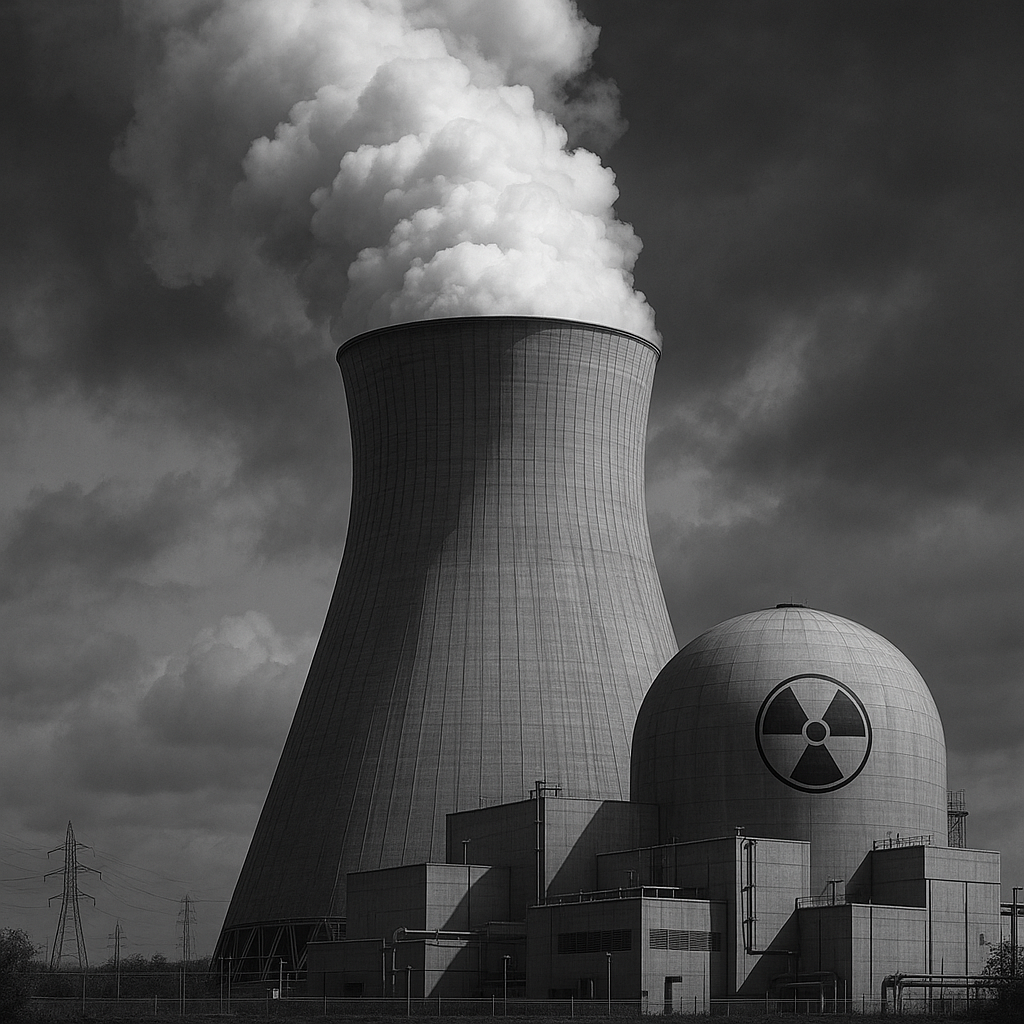
Between fission, fusion and digital: can nuclear energy save the climate?

In the global debate on the ecological transition,nuclear energy has returned to centre stage. After having long been marginalised by high costs, safety concerns and public opposition, three main factors are now fuelling its reappraisal: the urgency of decarbonisation, geopolitical instability linked to fossil fuels and, last but not least,...

Cultivating the future: how digitisation can counteract climate change

Increasing risks of droughts, floods, heat waves and other extreme weather events: climate change is one of the most urgent and complex challenges facing the world, and its impacts can be devastating on multiple sectors. One of the most vulnerable areas in this respect is undoubtedly food security. The effects...

Shared energy, sustainable future: the potential of Energy Communities

On the path to a sustainable future, every actor in society is called upon to play their part. The climate crisis, the need to reduce emissions, force us to radically rethink the way we produce, consume and share energy. The energy transition cannot in fact be reduced to a question...

Young people and climate change: the role of education for the future of the...

In the collective imagination, young people represent the hope for a more sustainable future. A generation naturally inclined to take care of the planet. The reality, however, is much more complex: while it is true that major youth mobilisations for the climate have sprung up in recent years, it is...

When digital supports efficient energy management

As photographed by recent ISPRA data, the emission categories of the energy sector contribute more than 80% of total greenhouse gas emissions in our country: about one fifth of national emissions, in detail, come from energy production. And while in 2024 the global demand for energy increased at a higher...

Circular economy and digital transformation: a winning synergy for decarbonisation

In recent years, the issue of environmental sustainability has assumed a central role on the global agenda. The need – and the urgency – is to contain the effects of climate change, and to drastically reduce greenhouse gas emissions. This is a goal that, in order to be achieved, requires...

From Green Deal to Fit for 55: Europe at the test of energy transition

Towards a new European energy model At the heart of the European political agenda for many years now is a vision that aims to create a sustainable, fair and resilient production and energy system. This is an ambitious goal, both politically and in terms of application, which has precise objectives:...

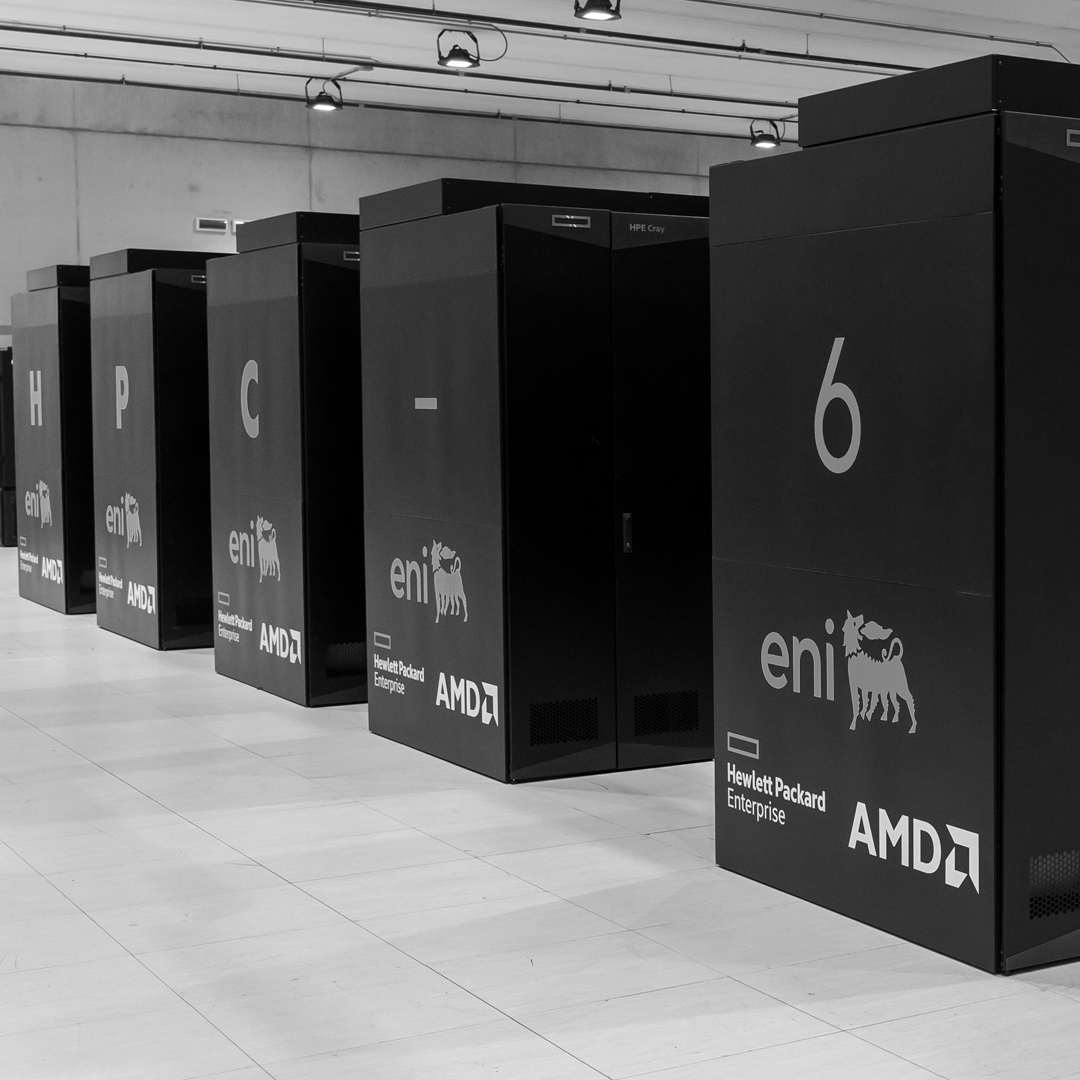
Eni’s HPC6: a supercomputer for the energy transition

With the term High Performance Computing(HPC), we refer to those technologies used to create computing systems capable of providing very high performance. It is certainly not a recent technology: interest in HPC dates back to the 1960s, with the first applications – mainly related to simulations – born mainly in...

Digital Sustainability and the Energy Trilemma: Key Integration for the Future of Energy

Digital transformation and environmental sustainability are today interconnected challenges. It is no coincidence that the European Union speaks of a double transition, digital and green, placing them both at the centre of its priorities for the coming years. In many cases, in fact, digital helps to reduce environmental impacts: just...

The role of smart grids in renewable energy integration

Smart grids, or smart grids, represent one of the most significant innovations in the energy sector in recent decades. These grids integrate advanced digital technologies into electricity distribution and management, enabling two-way communication between suppliers and consumers. This approach not only improves the efficiency and reliability of the electricity system,...

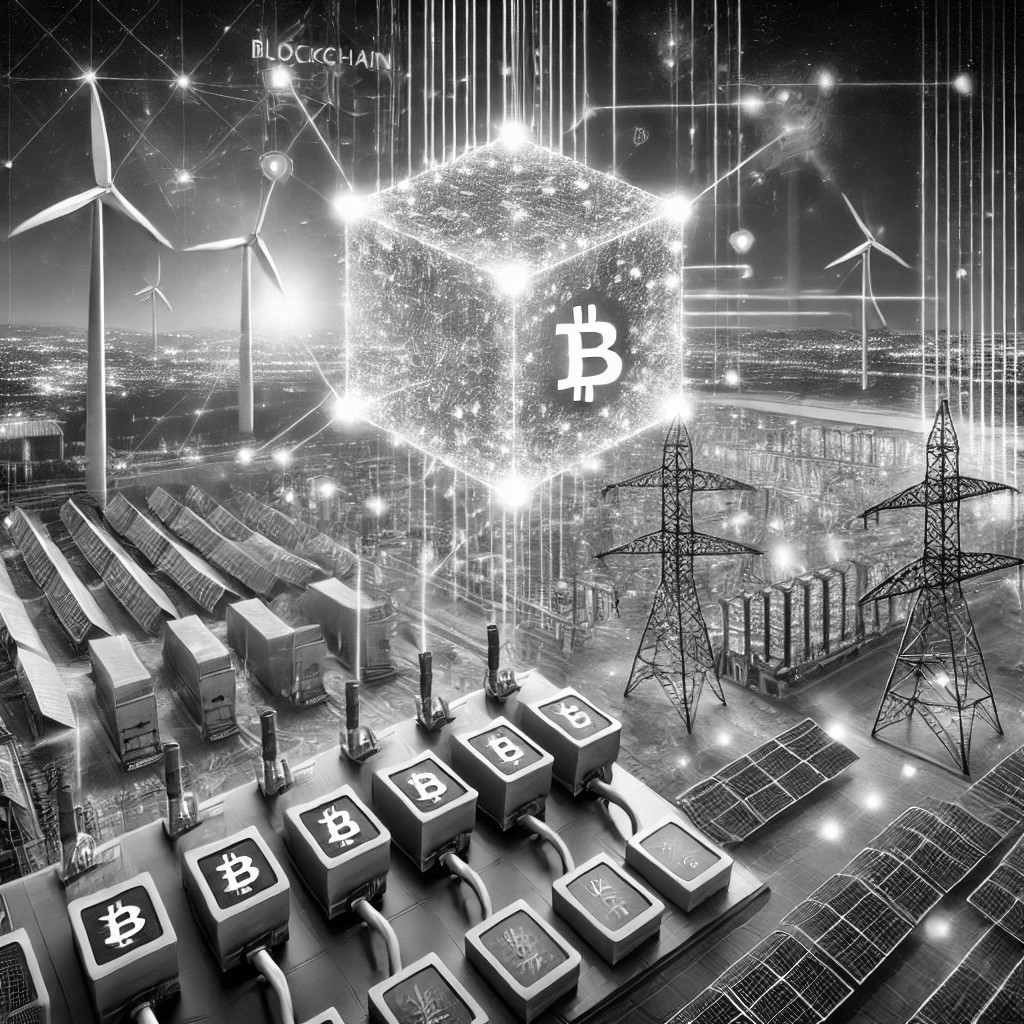
Blockchain and consumption reduction: how technology redefines the energy sector

Blockchain is emerging as one of the most innovative and versatile technologies of our time, capable of profoundly transforming all the key sectors of our economy, including the energy sector. Initially associated in the imagination of many only with the world of cryptocurrencies, today blockchain finds application in much broader...

The energy of the stars

by Bob Mumgaard September 2021: Our group watched the screen with anticipation as our fusion magnet technology raced toward the 20 Tesla milestone. We knew that the success of that breakthrough magnet would be a major step forward for us toward bringing magnetic confinement fusion to the market. It would...

5 Innovative Technologies to Accelerate the Energy Transition

The energy transition today is one of the most complex and crucial priorities and challenges of our time. Reducing carbon emissions and accelerating the adoption of renewable sources is not just a goal, but a necessity imposed by the urgency of the climate crisis. However, the transition to a sustainable...
Come risparmiare energia elettrica: consigli per ridurre le bollette

Circular economy to tackle poverty

Inclusive economic growth is what we expect from the future. This is why the first sustainability goal focuses on fighting poverty-not only economic poverty but also inequality, the lack of access to essential services and education, as well as hunger, malnutrition, and insufficient incomes and resources. Currently, 836 million people...
Economia circolare per far fronte alla povertà
©2025 Fondazione per la sostenibilità digitale

Tech Economy 2030 è una testata giornalistica registrata. Registrazione al tribunale di Roma nr. 147 del 20 Luglio 2021

Powered by DTILab  - Designed by Fattoria Creativa - Developed by EHT