









ImageImageImageImageImageImageImageImageImageImageImageImageImageImageImageImageImage

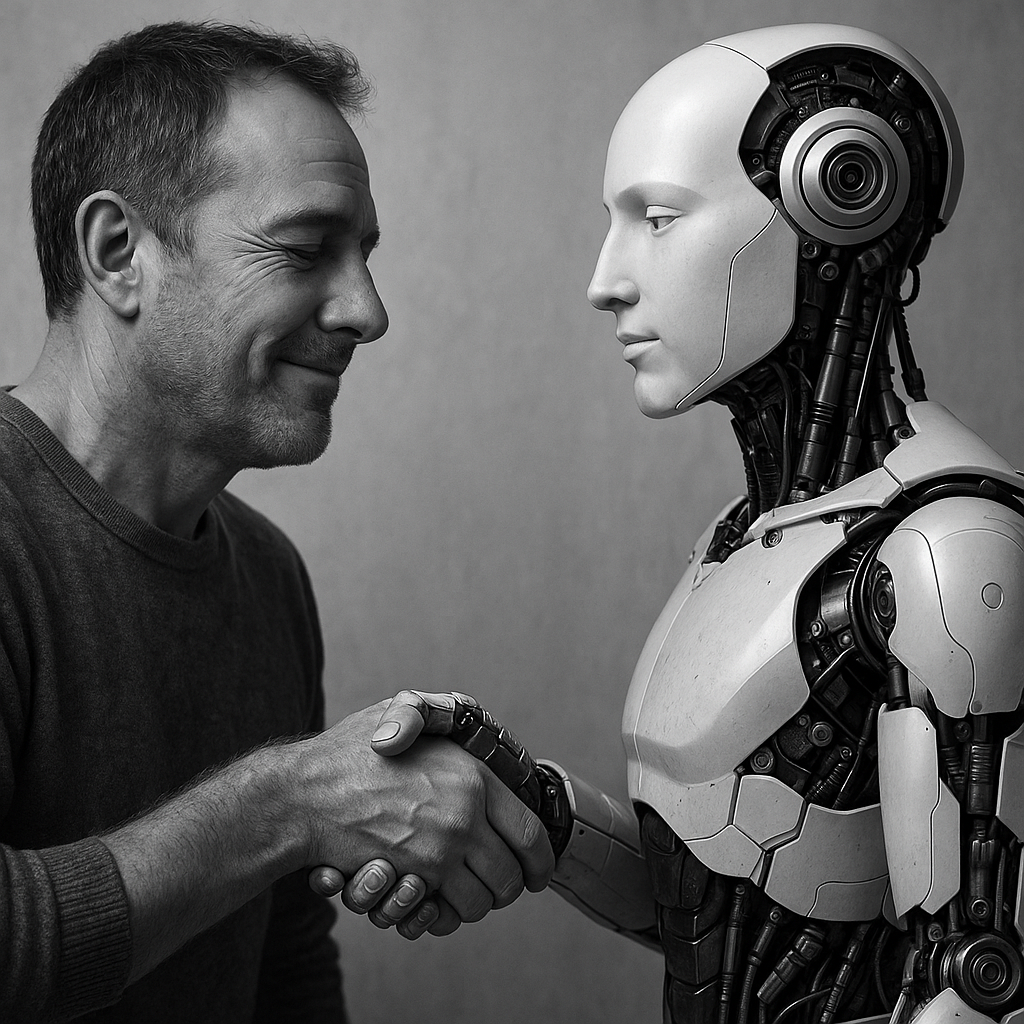
Between Plato, Narcissus and the reality principle: what the new AI models teach us

What does ‘understanding’ really mean for a machine, in particular for AI, which is, at present, the machine of machines? In recent months, a number of apparently very technical papers have opened up a surprisingly philosophical and, in my opinion, fascinating question in this regard. The point is radical: when an artificial system represents the … Read more

Trust suspended. The Italian generations and artificial intelligence between openness and vigilance

Data from the Sustainable AI Report reveal a cautious Italy: neither seduced nor hostile, but in search of a reliable relationship with technology. A psychoanalytic reading reveals that what is really at stake is not intelligence, but epistemic trust. What does it mean today to trust artificial intelligence? It is not just a matter of … Read more

Recovery

“Have you already resumed?” – with the inevitable variations of ‘resumed well, slowly, without stress, in harmony with yourself, the world, the universe’ – is one of the most frequent questions one comes across these days in Italy, where the myth of Ferragosto still seems to endure, confirming that for us ‘if you want everything … Read more

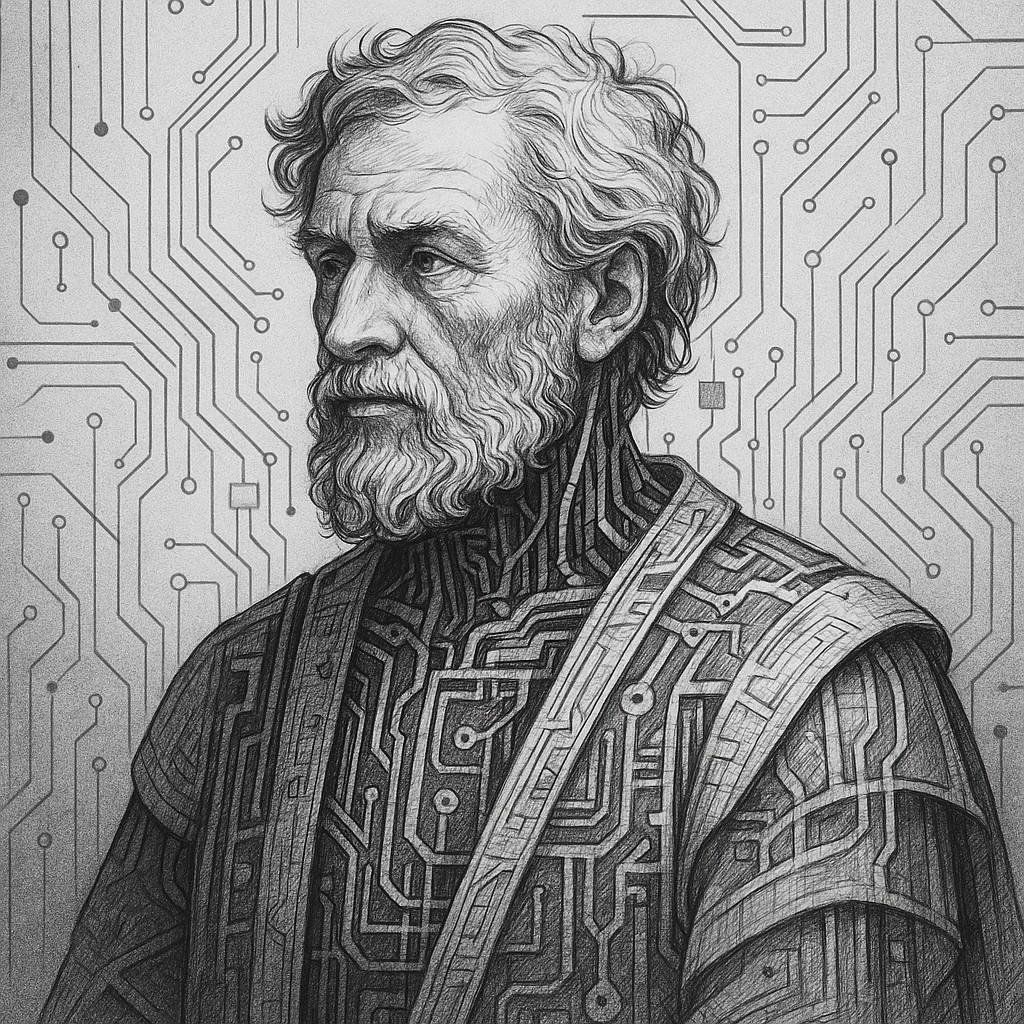
Daedalus, the Labyrinth and Artificial Intelligence: Between Technology, the Unconscious and Wires

What is the labyrinth? It would seem a banal question to which we all think we have a ready answer. In reality, the meaning of the term is multiple, its roots even etymological debated and its origins uncertain. However, we all have the sensation at some time in our lives of finding ourselves in a … Read more

God, AI and the mare: attachment, artificial intelligence and the need to be heard

Laura is 28 years old and works in the grey office of a public administration. She discovered ChatGPT during an emotional crisis. Every night, before falling asleep, she opens the chat to tell her fears, seek comfort, receive answers to intimate or existential questions. When the system goes offline or provides answers that are too … Read more

Artificial empathy and the crisis of trust: how to distinguish true from false in the age of simulated intelligence

At the heart of the third millennium, a silent but profound crisis has arisen: the loss of epistemic confidence. Peter Fonagy has outlined its fundamental features, linking it to the development of the ability to mentalise. In a context where artificial intelligence increasingly simulates signals of empathy, the risk is that of relying on seemingly … Read more

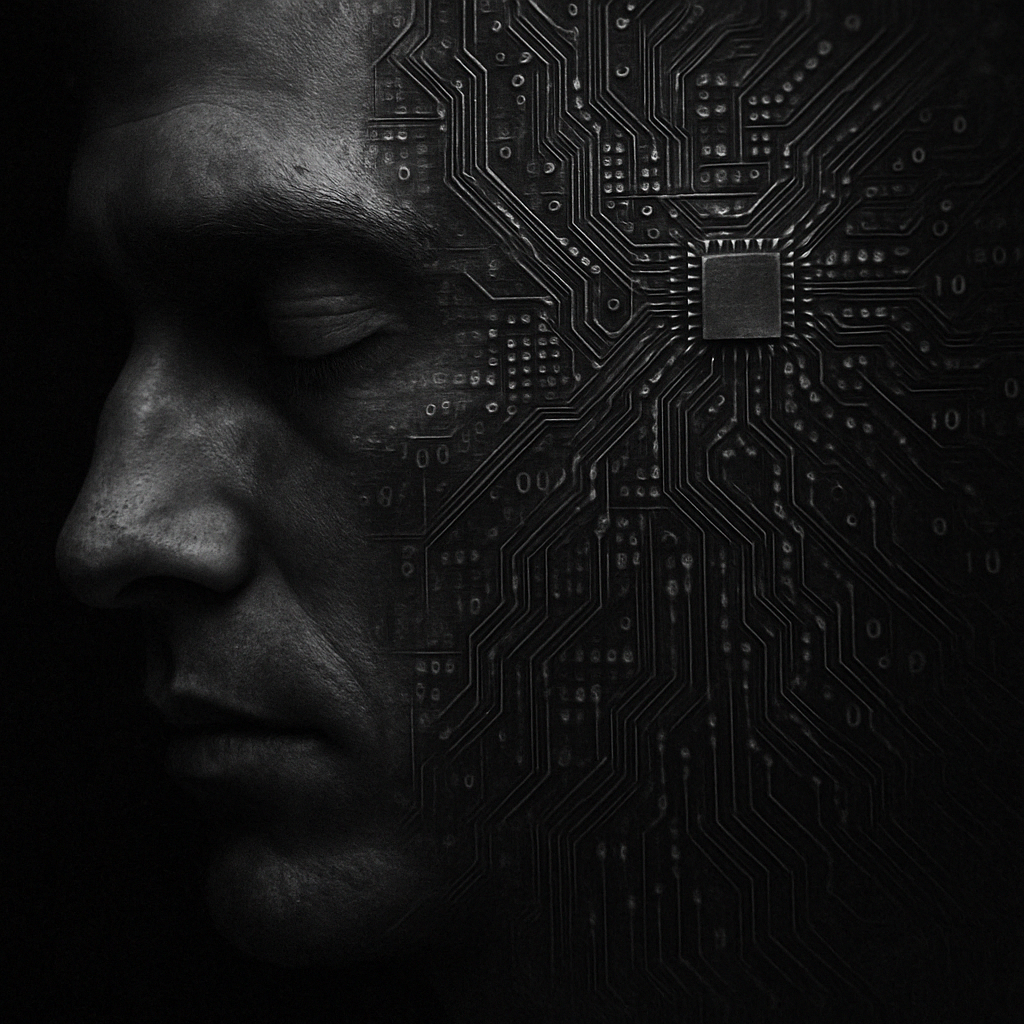
Digital and Sustainability: Navigating the Ambivalences of the Digital Unconscious

A psychoanalytical reading of the latest data of the Observatory for Digital Sustainability reveals the inner contradictions that hold back the sustainable evolution of digital and the conscious use of digital for sustainability. An invitation to collective mentalisation. In the public debate, digital sustainability is often presented as a linear path, where technology and ecological … Read more

©2025 Fondazione per la sostenibilità digitale

Tech Economy 2030 è una testata giornalistica registrata. Registrazione al tribunale di Roma nr. 147 del 20 Luglio 2021

Powered by DTILab  - Designed by Fattoria Creativa - Developed by EHT